






















The Kids Online Safety Act, also known as “KOSA” is a legislation which provides children, teens, and parents with the safeguards and tools needed to better protect against serious online threats to kids well-being. KOSA requires that social media companies implement features that enable parents to monitor use time and control the privacy setting of the child’s account, including verifying age with ID to access the app.
One of KOSA’s strengths is that its stated government interest “advances the empirical knowledge that is compatible with the Child Wellbeing framework”, as mentioned by Cory Gabriella, a law student writer for the Columbia Journal of Law School. The Child Well-Being framework helps to look at a child’s overall health and development by analyzing their physical and mental health to know how their health is.
KOSA, though controversial, has received a lot of momentum. It has received a lot of support from the medical and psychiatric fields, including the American Psychiatric Association.
Advocates for civil rights came out against KOSA for data privacy and speech concerns, including worsening abusive situations for children who do not have an alternative way to communicate with others. KOSA aims to prevent cyber-bullying, harassment or sexual exploitation, and mental health issues, but in certain situations may worsen the situation for children.
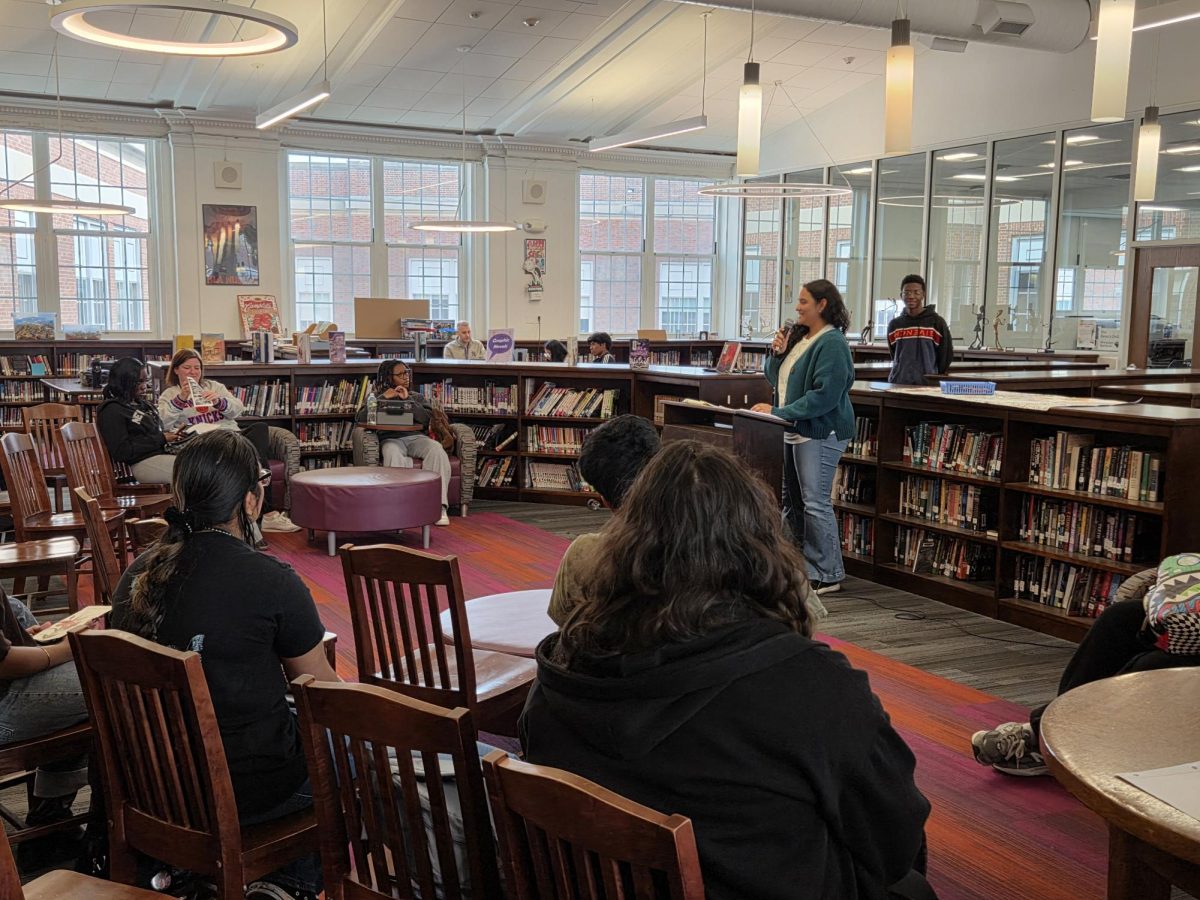
Here at Sewanhaka, opinions are mixed. Senior Jenzen Chacko shared a perspective that reflects the complicated nature of the issue. “To an extent, I do believe it will cause a controversy within the adolescent age group, however it’s for the best, especially for teens.” Many believe that without KOSA, they will never be able to effectively protect children from online harm.
In the political world, KOSA has been supported by both Republicans and Democrats in Congress, including both Democratic Senators Chuck Schumer and Mark Kelly and Republican Senators Bill Cassidy and Marsha Blackburn. The bill passed the Senate with a bipartisan landslide (support from both parties, 91 in favor of it, 3 against it.). The 3 voting against it were mainly concerned regarding things like free speech being limited and government overreach in controlling online content.
In our opinion, KOSA is a very nuanced idea, and sounds good on paper but seems to be difficult in reality. Similarly to KOSA, popular online gaming platform Roblox uses ID verification to gain access to voice chat, but Roblox’s ID verification is infamously easily bypassable. Moreover, it also raises concerns about privacy, because data breaches could expose ID now if these changes are implemented, perpetuating risks of identity theft and other cybercrime.