












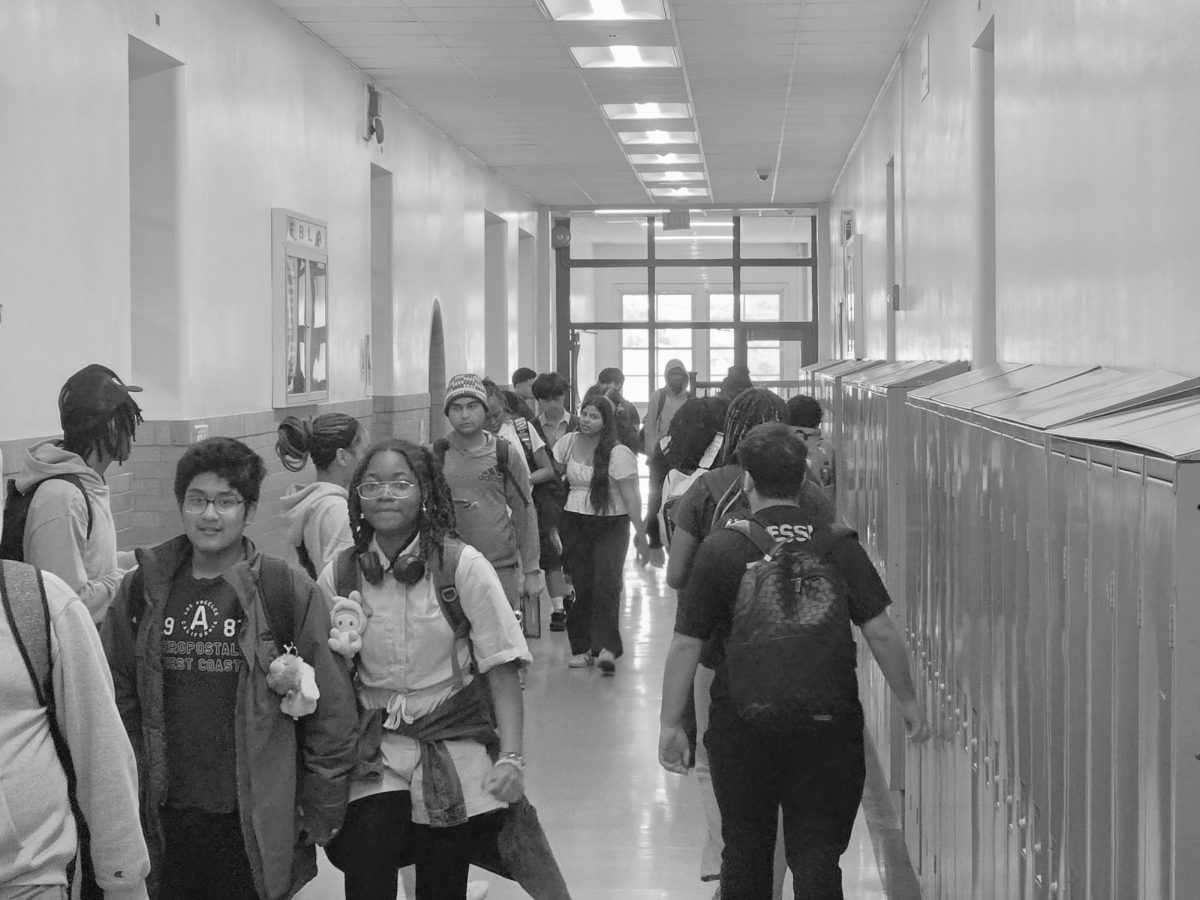
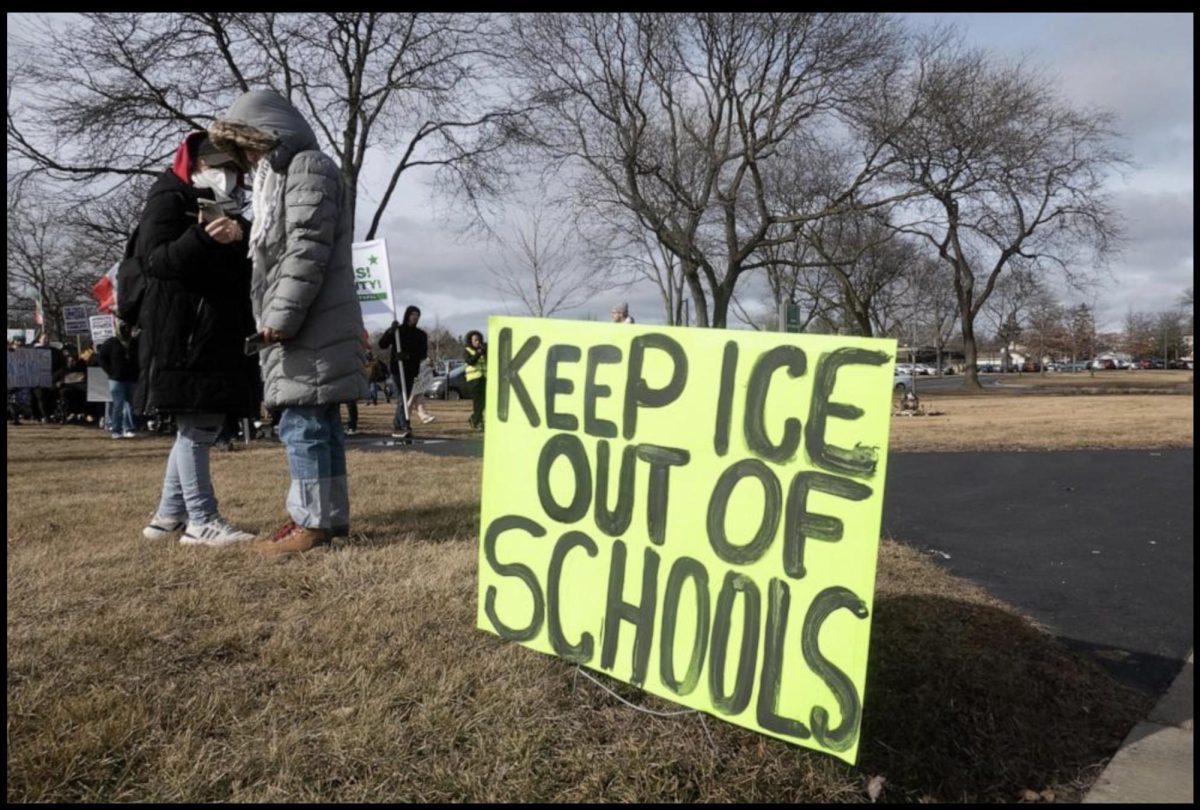
Recently, events tied to federal immigration enforcement (ICE) actions in Minneapolis have sparked broader conversations across the country about security and where educational institutions stand when communities face strain. While these incidents occurred outside our immediate boundaries, their impact reaches far beyond geography, extending even into our own Sewanhaka school district. Students, staff, and families feel the emotions of those directly affected and are prompted to reflect on the safety, unity, and responsibilities within our own schools.
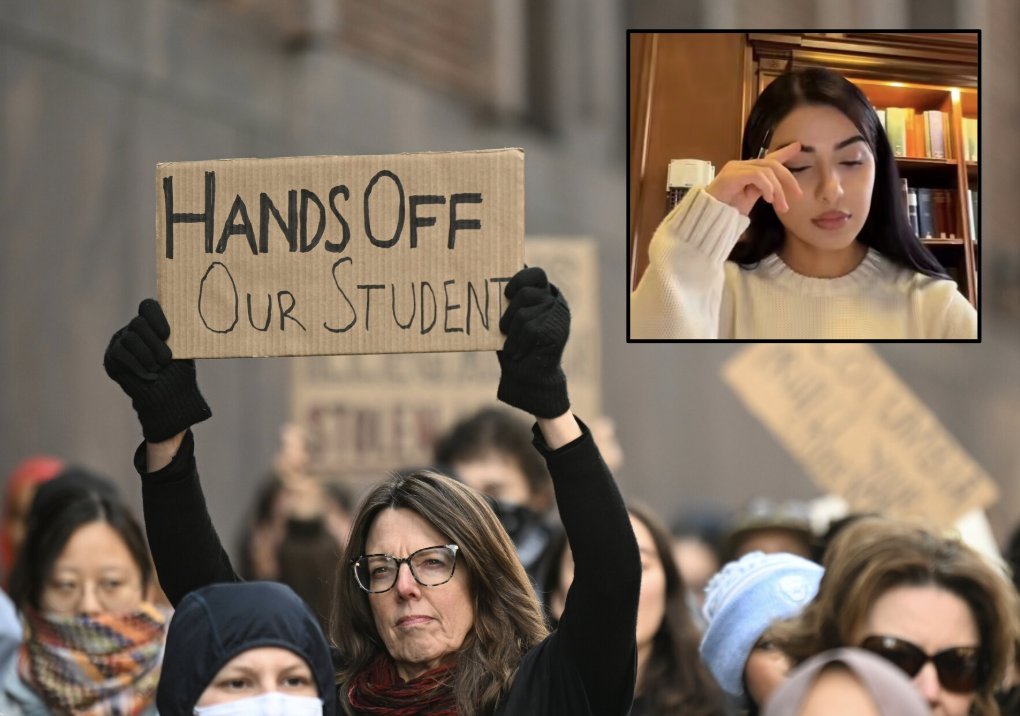
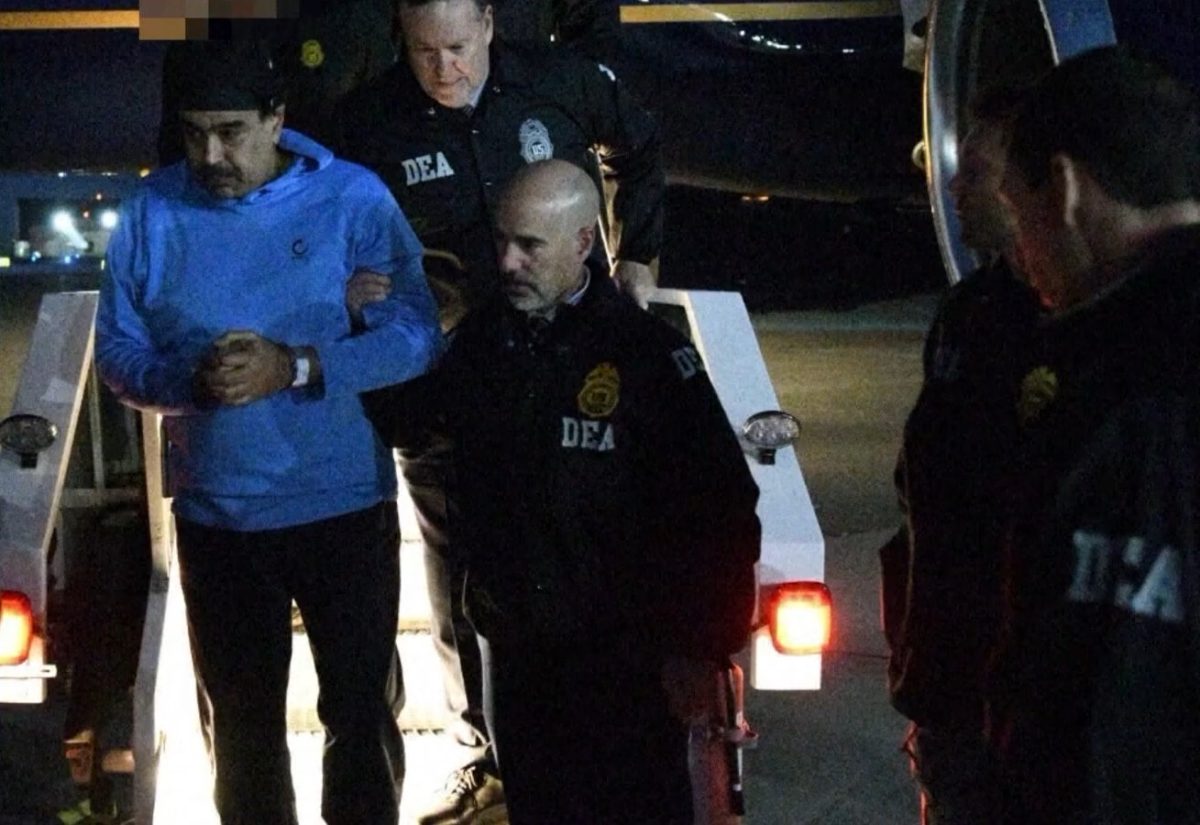
Earlier this month, Renee Nicole Good was killed during an encounter with a member of Immigration and Customs Enforcement (ICE). Before any official conclusions emerged, recordings circulated quickly, prompting an unhappy public reaction along with questions about how such agencies operate locally. Soon afterward, tension appeared at Roosevelt High School in Minneapolis following similar agency actions nearby, resulting in a canceling of classes for the remainder of the week.
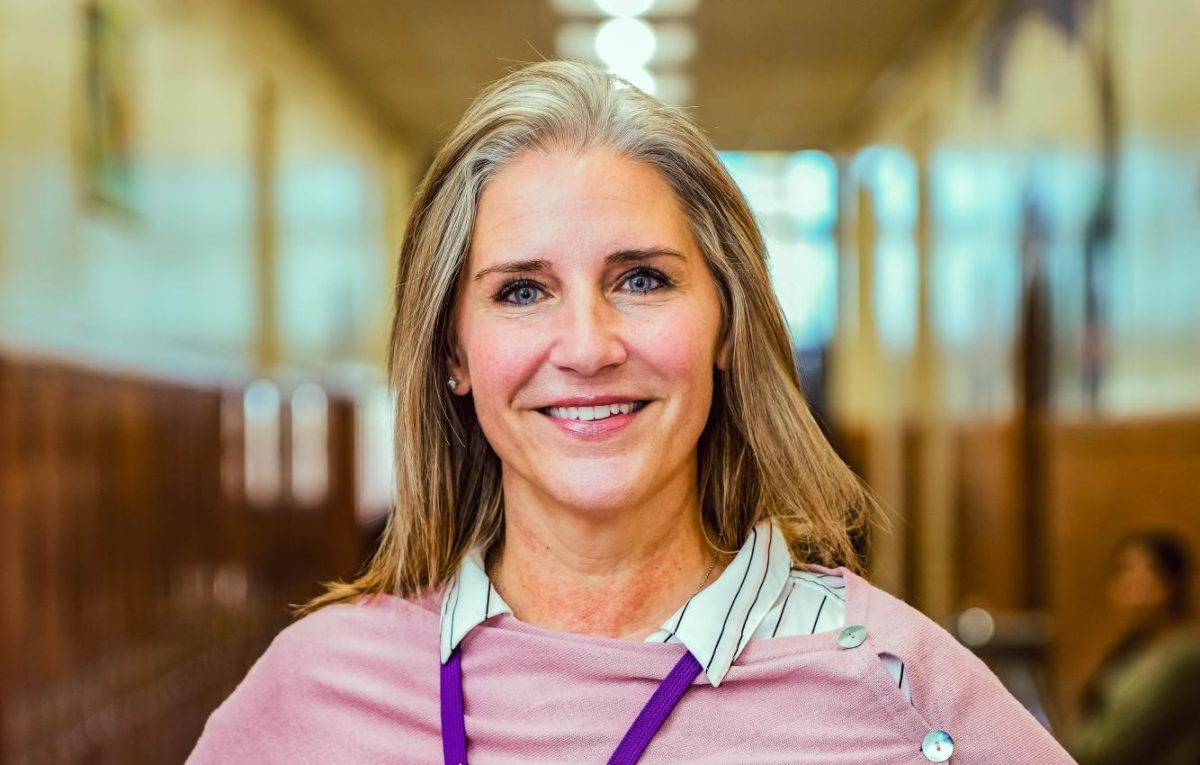
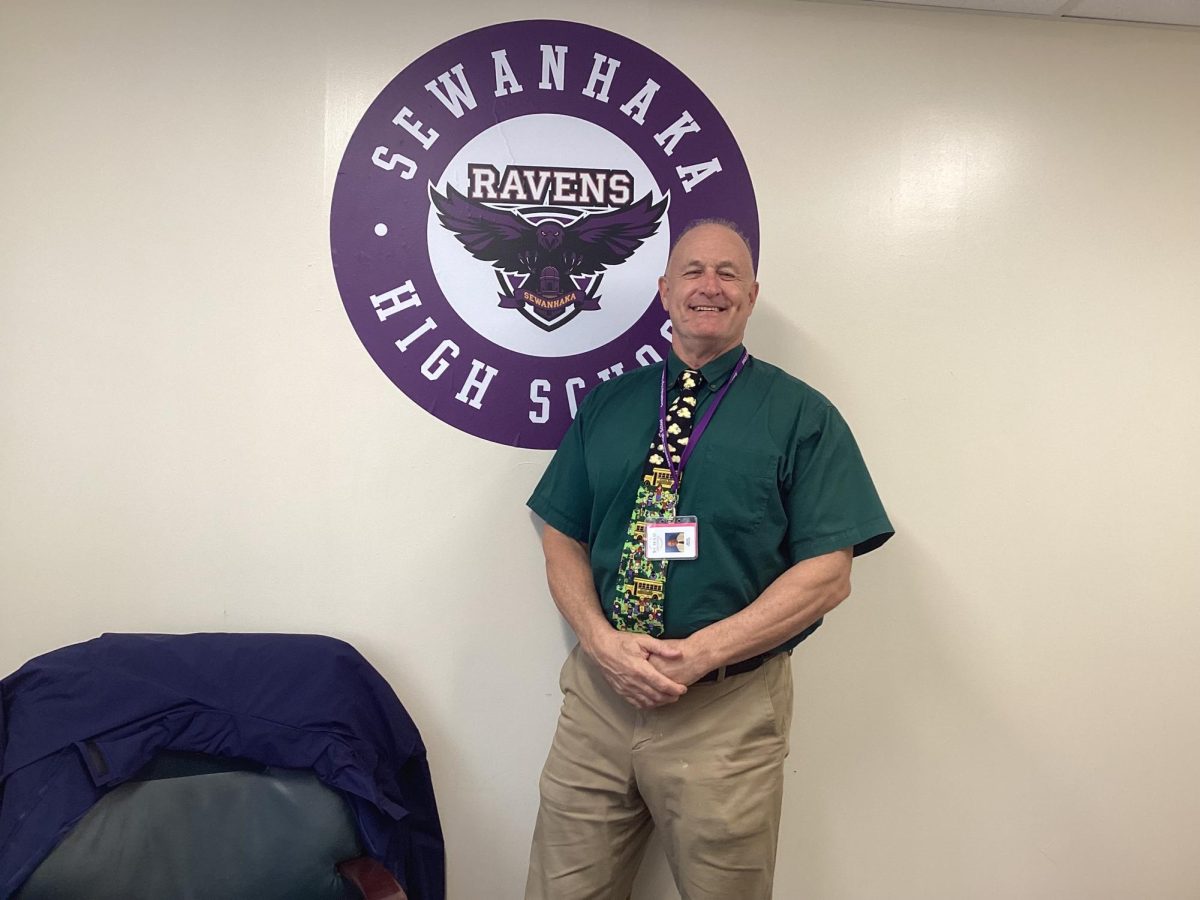
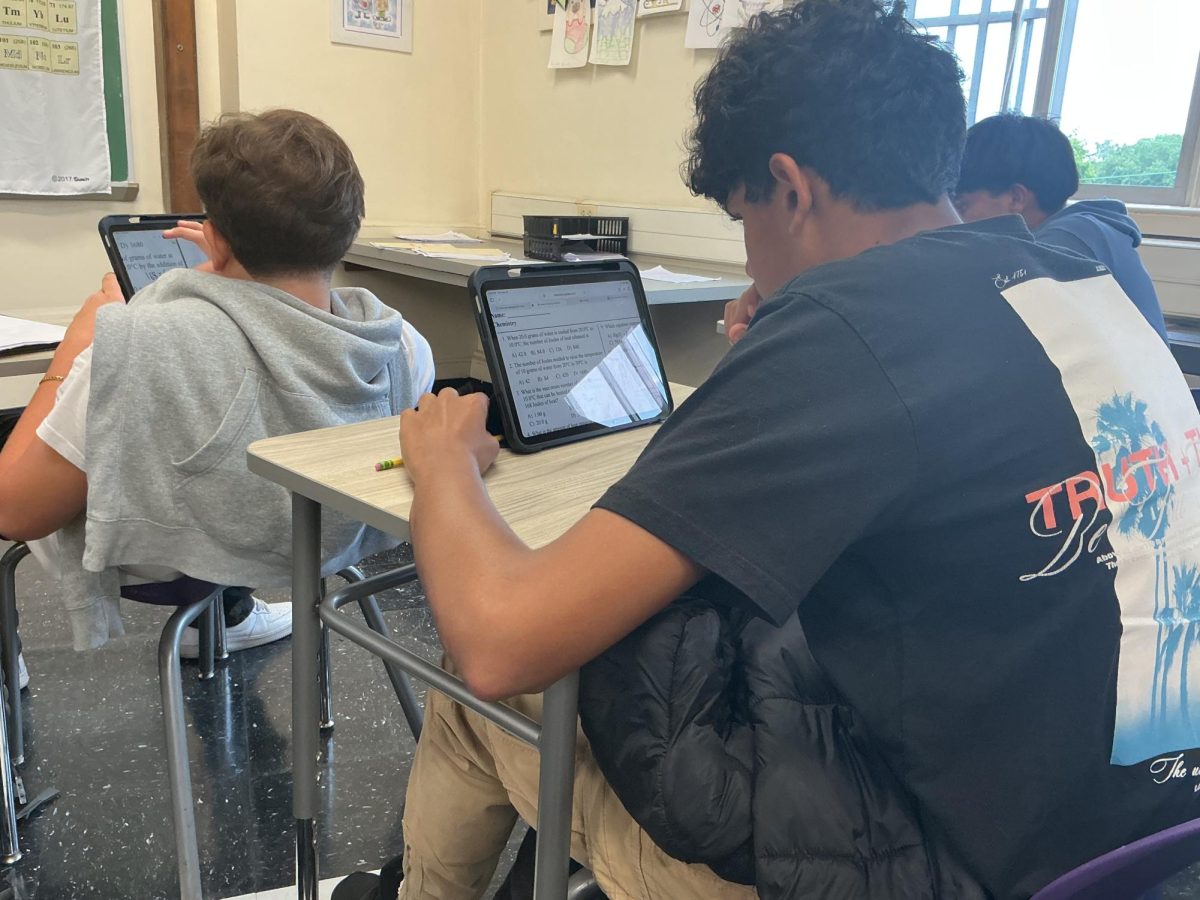
These national events have raised questions about how local school districts would respond if similar situations were to occur closer to home. According to Assistant Principal Dr. Isseks, Sewanhaka schools follow strict procedures in the event ICE agents come to a school building. “We are instructed by our superintendent that in the event ICE agents come to school, we must notify the central office and the superintendent of schools and board of education attorney who will ultimately determine if ICE is permitted to come in,” Dr. Isseks said.
Time and time again, moments such as these prompt reflection among educational institutions nationwide about how external circumstances deeply shape internal experiences. When law enforcement appears nearby, anxiety can emerge, focus shifts, routines falter, assumptions about security begin to weaken. In classrooms rich with cultural variety, reactions often run deeper, notably where families navigate life amid shifting immigration rules or maintain ties to affected individuals and those who have immigrant families.
Dr. Isseks emphasized that even when incidents do not directly involve the district, schools still take steps to support affected families. “It’s an ongoing situation that changes, so we are steadfast in providing support through counselors, clinical staff, and just being there in any way with families who are impacted, even if we are not directly impacted,” she said.
Across the nation, schools aim to keep classrooms secure places for study when broader societal moments affect daily routines. Should interruptions arise, leaders need to act quickly, halting lessons or reaching out more frequently to parents to protect the youth and rebuild their feeling of safety in the world of education.