






In the early morning of Thursday, February 26, a Columbia University student was detained by federal immigration agents inside a university owned residential building after authorities disguised themselves to gain entry into the Columbia campus. The incident has sparked protests on campus and a broader debate about immigration enforcement tactics and civil liberties.
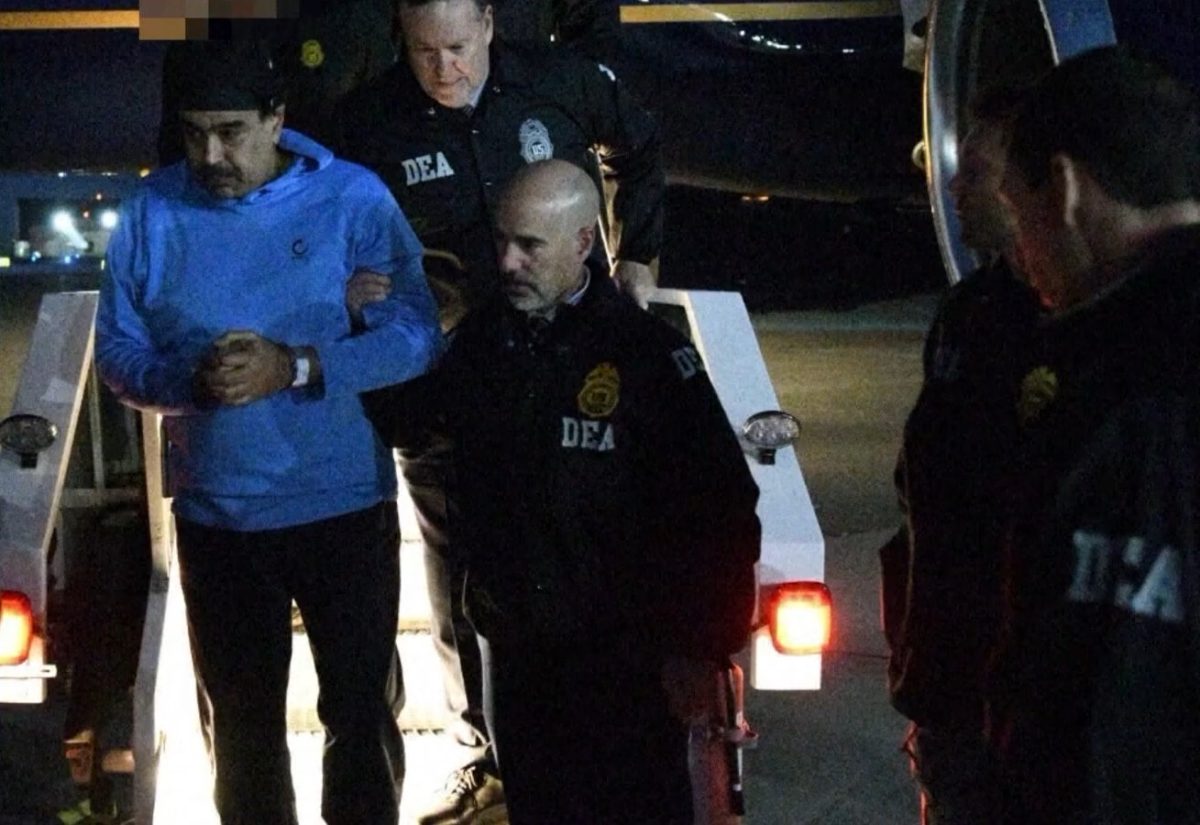
According to a statement from Columbia’s acting president, Claire Shipman, agents from the US Department of Homeland Security and its ICE unit entered the residence hall claiming they were NYPD police officers searching for a “missing person”. They reportedly showed campus security a flyer about a missing child and said they were there to assist in that search, a strategy that allowed them to gain access to Columbia’s campus that isn’t open to the public.
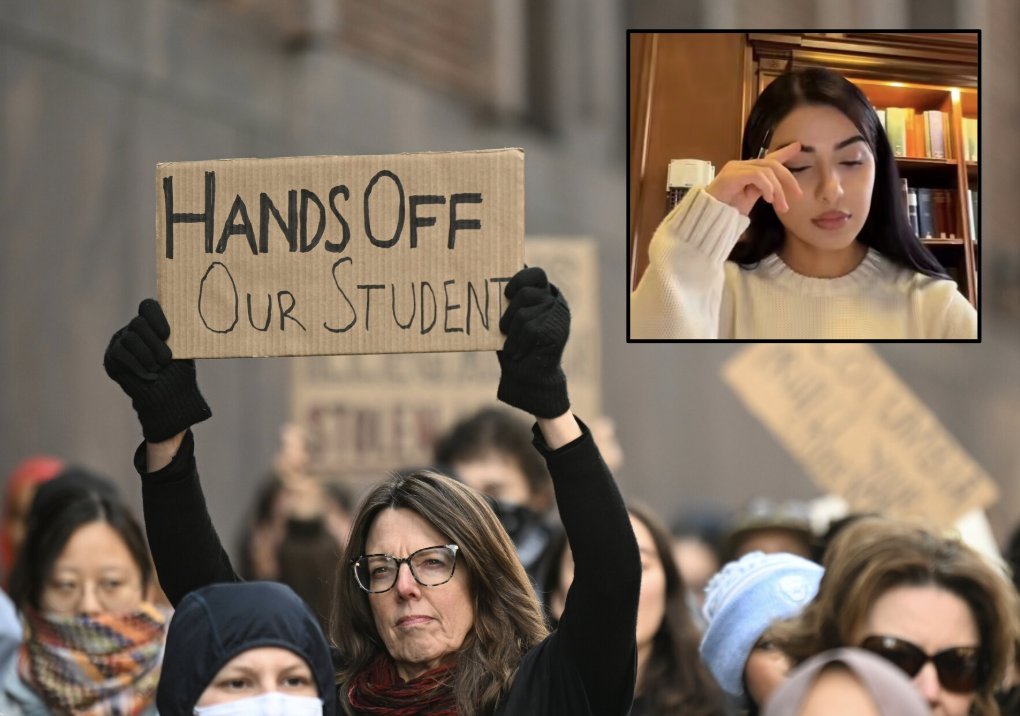
Once inside the residence building on West 121st Street, federal agents took Ellie Aghayeva, a senior Columbia student who was majoring in neuroscience and political science, according to her lawyers and campus officials. Aghayeva later posted to social media that “DHS illegally arrested me” and called for help from her followers. University policy usually requires law enforcement officers to present a judicial warrant or subpoena before accessing private student housing. Campus leaders emphasized that students should not let law enforcement into buildings without proper authorization and should immediately contact Columbia’s public safety if approached by anyone claiming to be an officer.
The timing and method of the operation drew swift criticism from students and faculty advocates. Many argue that using disguisement to enter private housing undermines trust and raises serious legal and ethical questions.
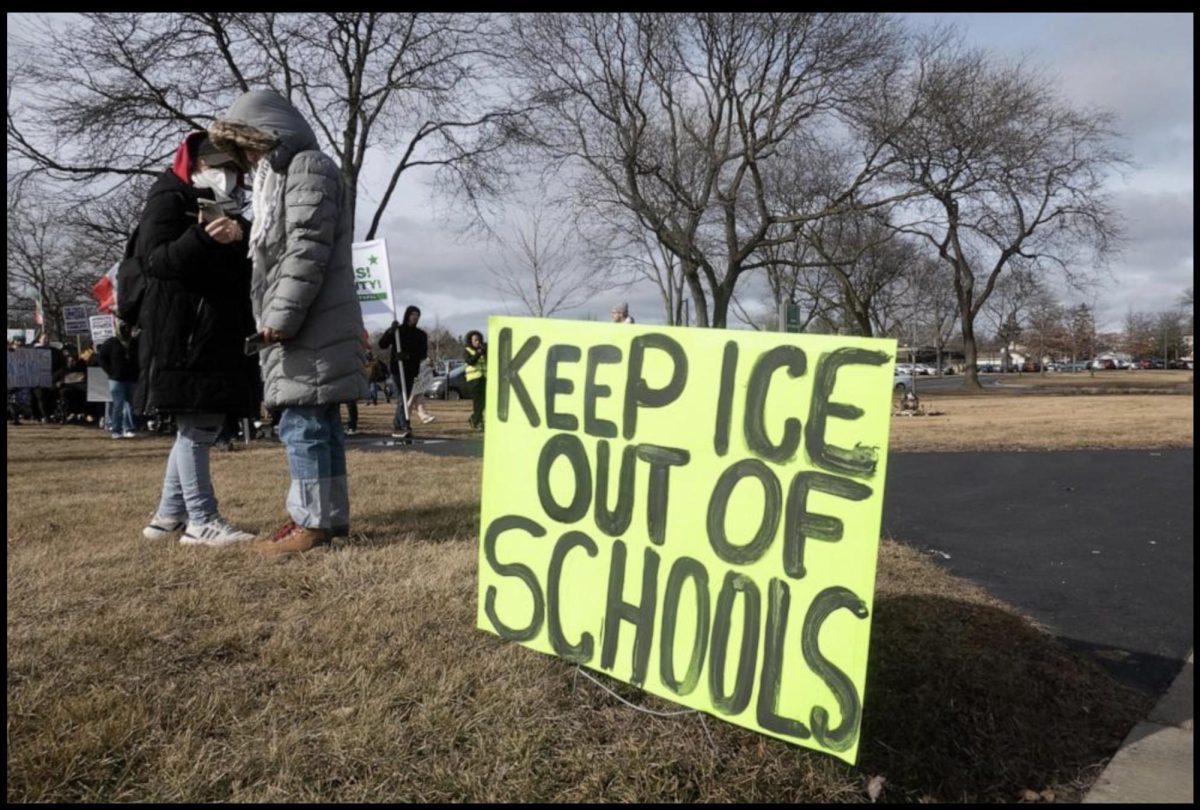
By midday, protests had begun on campus as students gathered to voice their disapproval of the federal action. Some demonstrators carried signs and chanted slogans calling for protections for international students and accountability from both the university and federal authorities.
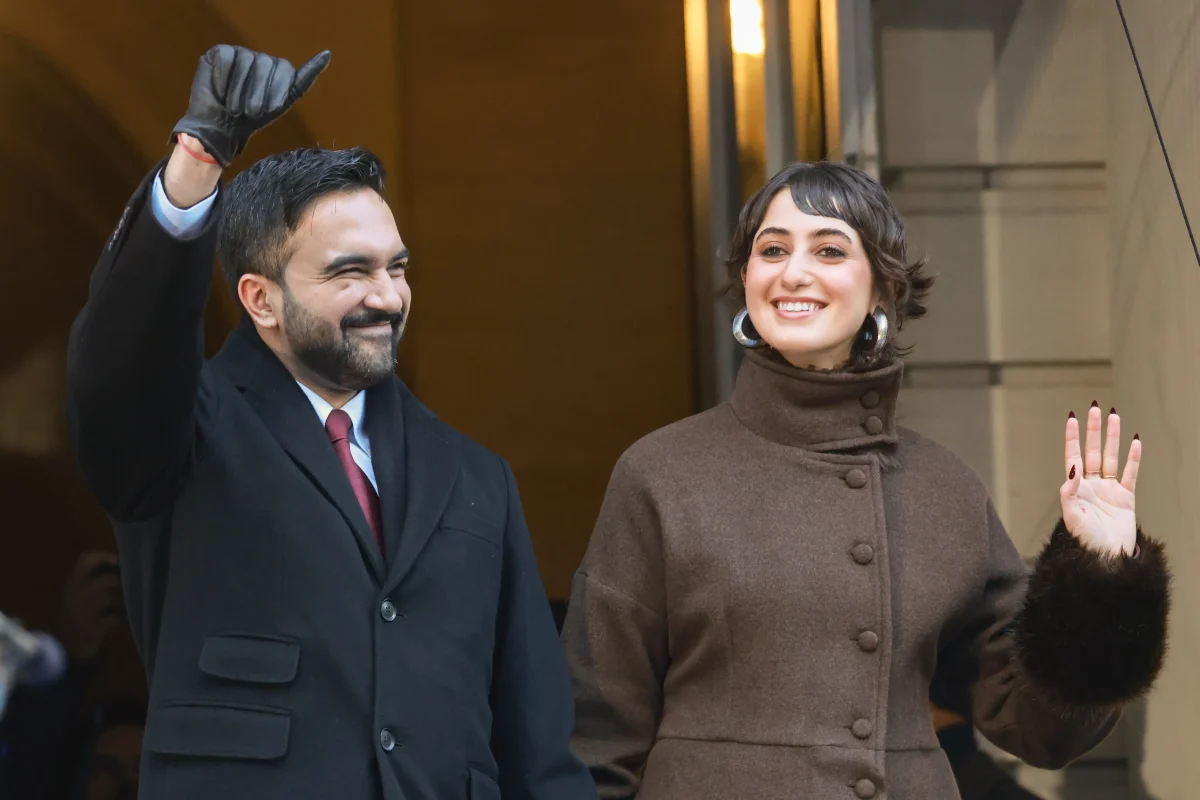
Later that afternoon, New York City Mayor Zohran Mamdani stated that President Trump had agreed to immediately release the student after having a phone call with him. Within a few hours, Aghayeva was freed from custody and returned home, a development that temporarily calmed tensions but left many unanswered questions about the legality of the incident. In the aftermath, Columbia University has pledged to review how campus security protocols interface with federal law enforcement and to reinforce training so that students and staff understand their rights.