






Cobalt, a metal and a crucial element in modern technology, powering our devices such as electric vehicles, computers, and smartphones. But where does this metal come from? The Democratic Republic of Congo, holding the world’s largest reserves of cobalt along with major sources of copper, diamond, gold, coltan, and tin, and the world’s second largest rainforest. It is considered as one of the world’s richest countries in terms of natural resources. Yet it has endured and continues to endure one of the deadliest conflicts since WWII. With over 6 million deaths, 25 million people facing acute food insecurity, and millions of displaced people, the people of Congo have yet seen a day of peace, true stability. and freedom from exploitation.
Following the Rwandan genocide in 1994, a high influx of refugees crossed the Congolese border. Millions of ethnic Tutsi and ethnic Hutu migrated to the Democratic Republic of the Congo (DRC.) Back in Rwanda, Hutu extremists had killed approximately one million Hutu and the minority Tutsi. Of all Rwandans who entered DRC, some were Hutu extremists who began to organize militias. In response, Tutsi militias were also organized against the Hutu groups. Foreign powers used this conflict to benefit themselves and started taking sides.
Two years after the genocide,1996, Rwanda invaded the DRC to go after the Hutu militia groups, the first Congo war. Along with its allies, Uganda and Burundi, Rwanda was able to kick the president of the DRC out and install a new government along with a new president in Congo. Despite the new government, the eastern Congo continued to face violence. The new president of DRC, Joseph Kabila, turned on his allies, Rwanda and Uganda, and aided Hutu groups, leading to the Second Congo war which lasted from 1998 to 2003, also known as Africa’s World War. The Congolese government, supported by Angola, Namibia, and Zimbabwe, went against rebels and armies backed by Rwanda and Uganda. The war ended with a peace deal which failed to bring peace and stability to particularly the eastern region of Congo.
In 2006, Congo experienced its first democratic elections. The international community saw it as a step towards stability. Despite the elections, violence and human right abuses still continued against the country’s civilian population. Armed groups controlled 80% of the country’s mineral-rich eastern regions. There was a lack of authority, wreaking havoc on farming communities, weak institutions, and poor implementation of legislation.
In January 2008, the International Rescue Committee, a humanitarian aid organization, reported that an estimated 54 million people had died in the previous ten years as a result of ongoing conflict, nearly half of them children under the age of five. In 2010, the United Nations released a 550-page report, “Mapping Exercise”. It details 617 of the most serious violations of human rights and international humanitarian law violations in the DRC committed by Congo, Rwanda and others, including mass killings, sexual violence, and forced displacements. However, before publication, information of specific individuals and groups was redacted and altered as it would create political problems and disruption of peace efforts.
In 2012, M23, a rebel group, emerged and seized the city of Goma in the DRC. The group claimed to defend the Tutsi population and sought to overthrow the government, which it considered dysfunctional. M23 claimed the government had displaced thousands of people, committed extrajudicial killings, and was blocking access to humanitarian aid. The UN and Congolese forces launched a military operation to drive the M23 out of the city, and M23 retreated.
In 2018, The DRC elected its first president, Felix Tshisekedi, through peaceful transitions. The election brings hope, but violence and humanitarian crises persist. Over 13 million Congolese require humanitarian assistance with millions suffering from severe food insecurity.
In 2021, M23 returned, but this time more powerful, capturing key towns in north Kivu, a province of Congo. It has been reported that the group receives military support, weapons, and training from Rwanda. Violence increases and over 150,000 people are displaced.
The United Nations published a report in 2024 writing that M23 has taken control over Rubaya (biggest coltan mines) earning the group $8,000,000 last year. Coltan is short for columbite–tantalite, which is an ore used in electronics around the world.
Today, the group has expanded its control in Congo. Earlier this year, the group backed by 4,000 Rwandan troops seized Goma and Bukavu, two cities in the eastern DRC. The exploitation and smuggling of minerals have been funding the group’s activities.
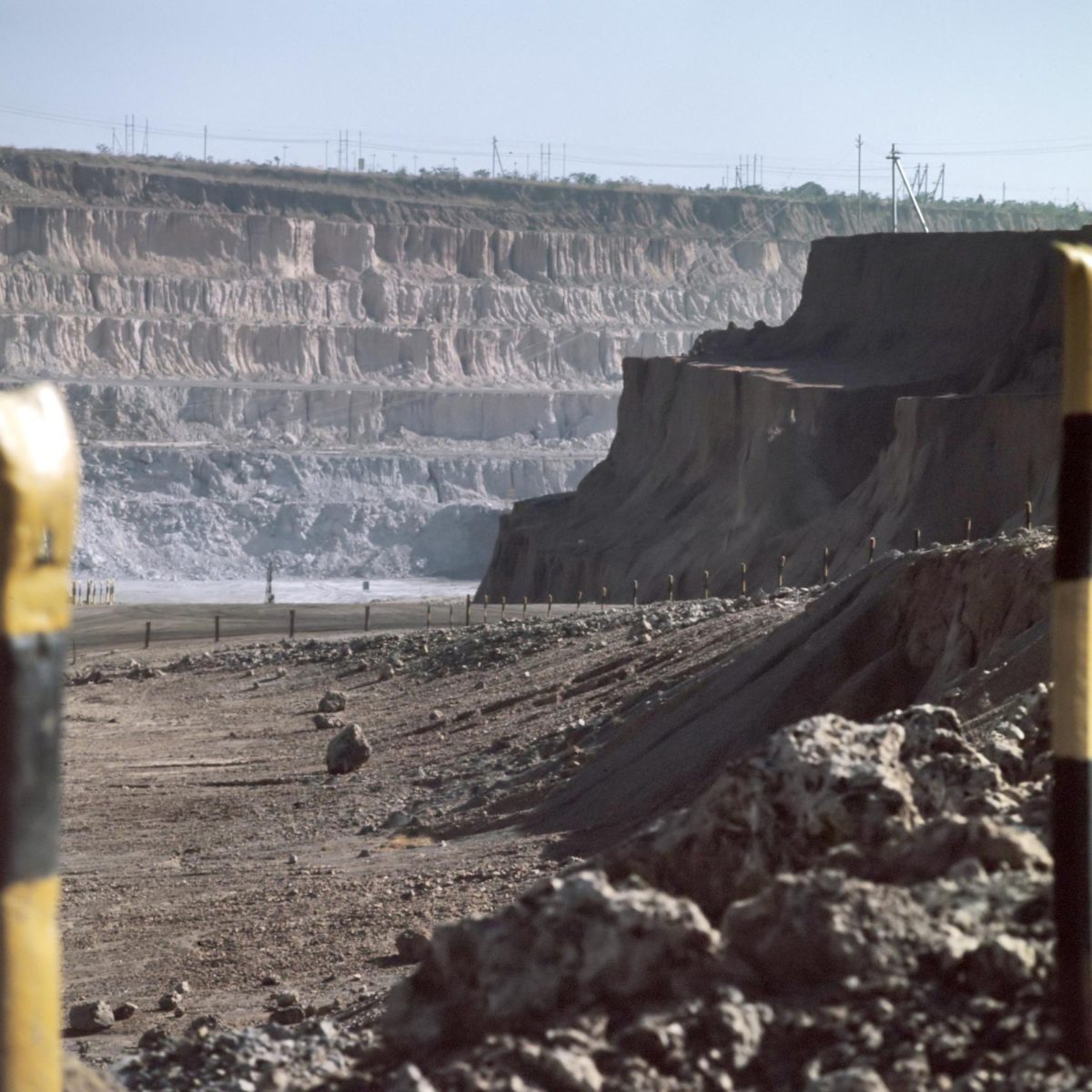
This conflict had displaced millions, led to vast killings of civilians, and restricted basic needs such as food, healthcare, and education. It has torn apart the country’s population along with its resources including its mines. The exploitation of minerals has caused an abundance of toxic waste, leading to water contamination, air pollution, and serious health problems. Children are forced to work in these hazardous conditions, mining minerals such as cobalt which has become increasingly in demand. Mining in the DRC supplies many countries, allowing for the production of batteries which are necessary in modern technology, including electric vehicles and personal electronic devices. Despite this, we are still desperate to purchase the latest iPhone model every year without considering the consequences to the people of the Democratic Republic of the Congo.