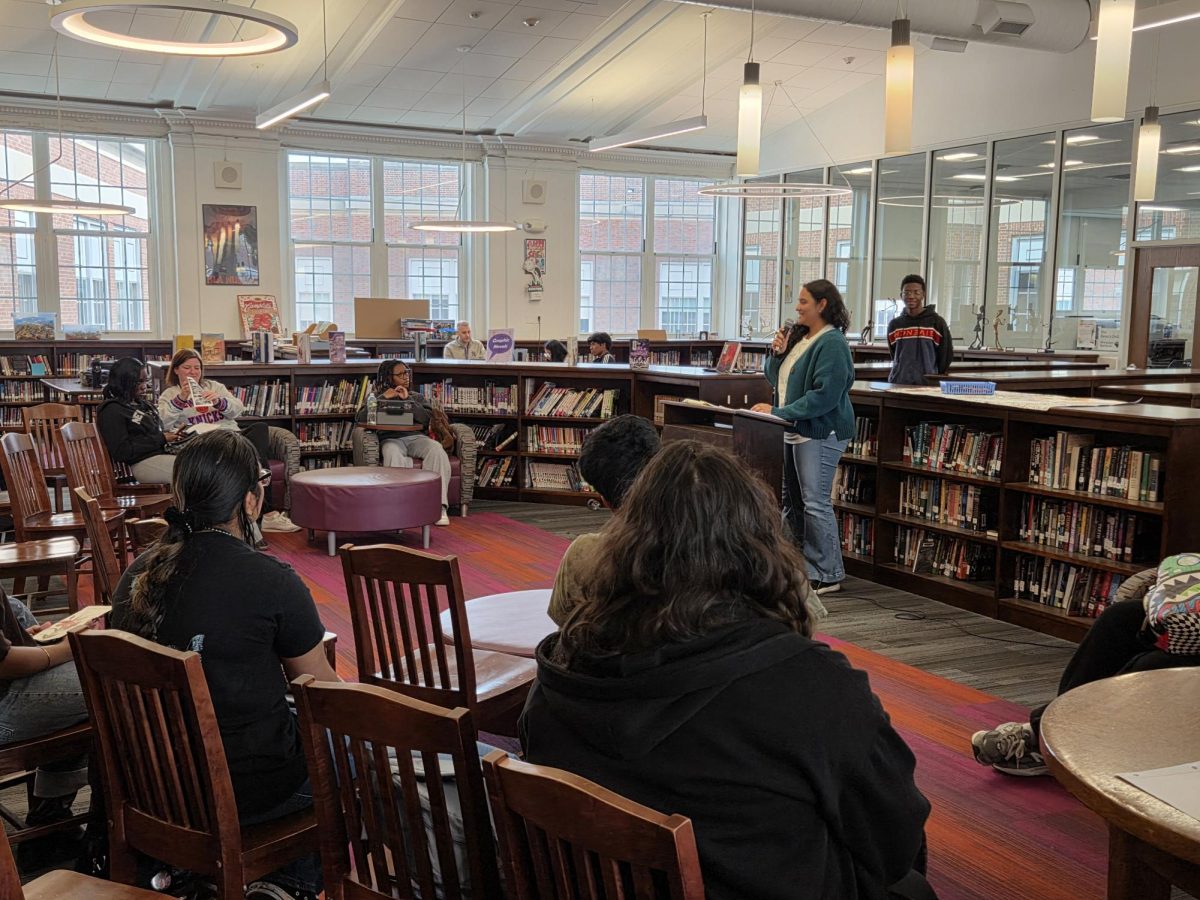







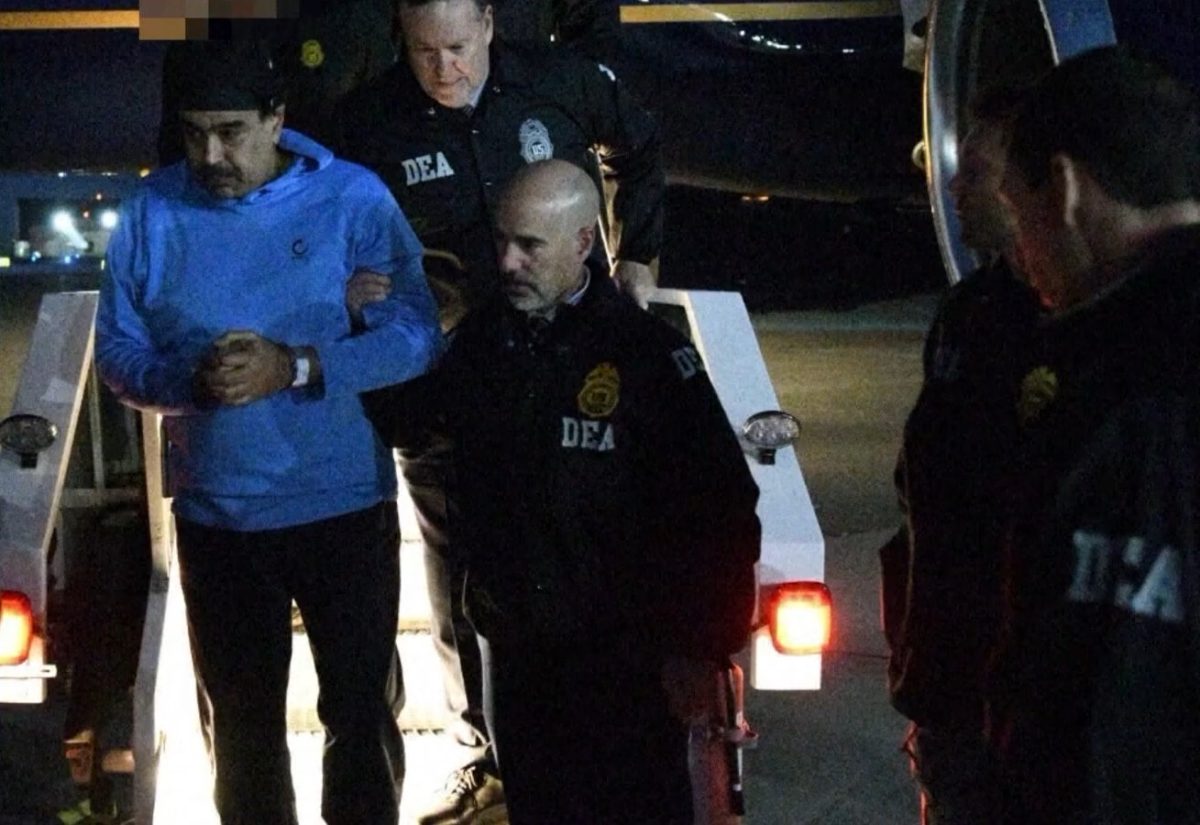








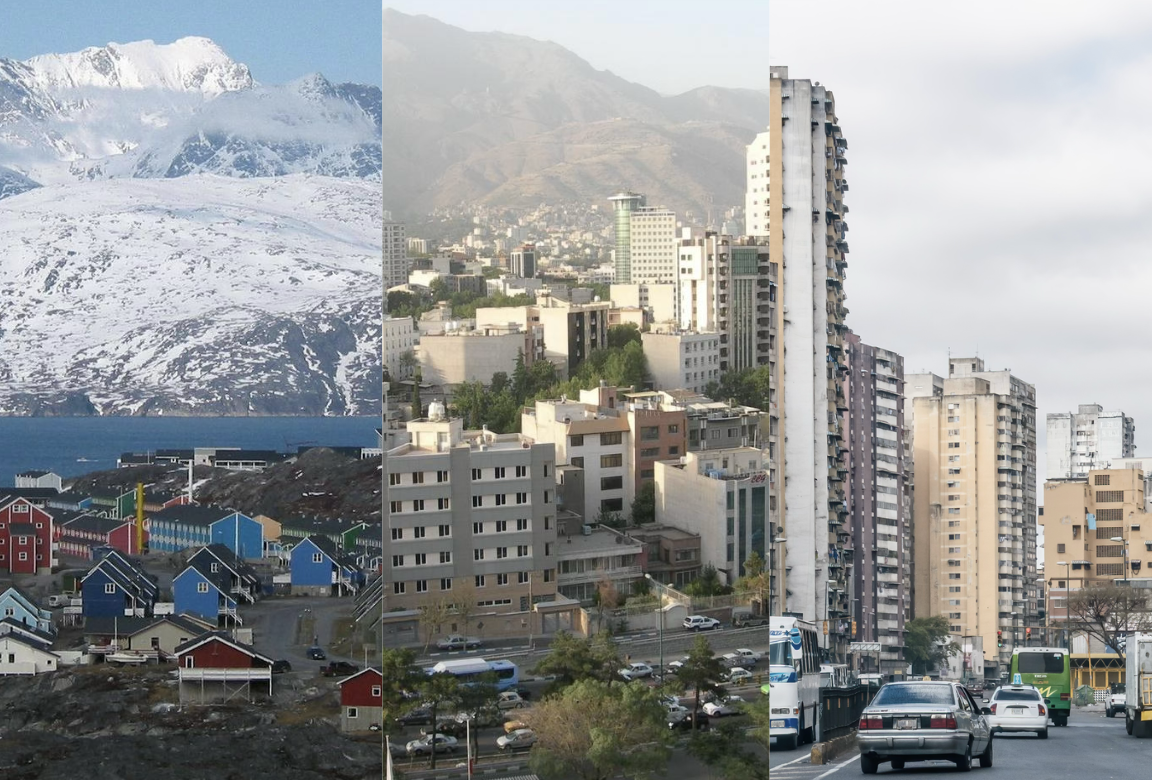
The U.S. has been the subject of controversy after a flurry of executive decisions involving global interventionism. Recent international developments have led to commentators referring to the Trump administration’s foreign policy as ‘a new wave of American imperialism’. Notably, the capture of Venezuela’s President Nicolás Maduro was a dramatic development in America’s foreign policy. Originally, the Trump administration had based its campaign on the promise of ending American involvement in foreign wars. However, the opposite seems to be true as the U.S. is taking an active interest in foreign affairs. On January 3rd, Venezuela’s capital city Caracas was met with a number of strikes during a U.S. military operation that went down in the dead of night. Amidst the chaos, Maduro and his wife were captured from their bedroom and taken to the U.S. to be held at the Metropolitan Detention Center in Brooklyn. Maduro is currently being federally charged for narco-terrorism among others in New York City. This swift military action left citizens and leaders around the world shocked at the bold move on holding a foreign President in detention. Jamie Silverio, a junior at Sewanhaka, said “I was honestly surprised when I heard about the capture in Venezuela because it felt like one of those moments you usually only read about in history textbooks, not something happening right now.”
This sentiment is shared by many Americans. In addition to involvement in Venezuela, President Trump has also increased his rhetoric surrounding the acquisition of Greenland. The administration’s expansionist ideas have led to strained relations with European allies, with several NATO leaders calling for their protection under international law. A Sewanhaka junior, Hailey Ball, added,“The idea of the U.S. taking Greenland surprised me, especially since it could affect NATO relationships which is a significant alliance we share.” NATO is an integral alliance that maintains the U.S.’ friendly relations with the European Union and risking the alliance could worsen global tensions.
Meanwhile, tensions with Iran remain high and security analysts warn that the U.S. is preparing forces and considering military action that could lead to conflict. Notably, the value of the Iranian riyal has plunged to new lows in anticipation of a potential U.S. military attack. A complex debate has emerged about the role of the U.S. in geopolitical challenges. Whatever the interpretation, these events have fueled discussions in classrooms about how power should be exercised responsibly on the international stage.